
For Clinicians:
Neurotherapy Referrals & Inquiries
INTEGRATIVE PSYCHIATRY & NEUROTHERAPY | BETHESDA, MARYLAND | WASHINGTON DC AREA

When Patients Need More Than Therapy and Medication
Many patients with mental health conditions continue to struggle despite therapy and medication, even when they are engaged, working hard, and gaining insight. Symptoms such as anxiety, depression, trauma-related symptoms, attention difficulties, sleep problems, and emotional dysregulation may persist.
In many cases, the issue is not simply a chemical imbalance or lack of insight, but brain network function and nervous system regulation. Neurotherapy approaches such as qEEG-guided neurofeedback and neuromodulation directly target these brain-based patterns and can be used alongside therapy and medication, often helping patients achieve more meaningful and lasting improvement.
.
How Neurotherapy Can Help
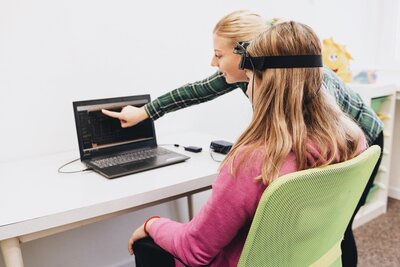
Neurotherapy includes a range of approaches that support the brain’s natural ability to change, heal, and regulate. By working directly with brain function and nervous system regulation, these treatments may help calm hyperarousal, improve emotional regulation, increase activation in underactive brain networks, support concussion recovery, and improve attention, sleep, and cognitive function.
Non-invasive vagus nerve stimulation supports healthy autonomic nervous system function, which can be helpful in calming the body after chronic stress, trauma, and chronic inflammatory conditions. Vagus nerve stimulation may help improve stress tolerance, emotional regulation, sleep, and overall resilience.
Neuromodulation
Vagus Nerve Stimulation
Guided by qEEG brain mapping, neuromodulation targets brain areas that may be underactive or not functioning efficiently. Gentle stimulation supports brain function and may help improve mood, motivation, and attention, and support recovery after concussion or chronic illness.
Neurofeedback trains the brain toward more stable and regulated patterns of activity. By reinforcing healthier brainwave patterns, this process can reduce hyperarousal, i and help patients expand their window of tolerance so they can be more present and engaged in therapy.
qEEG Brain Mapping
Neurofeedback
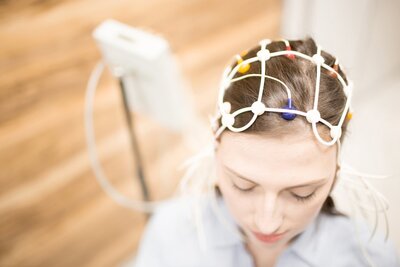
qEEG mapping allows us to look beyond symptom and diagnosis labels and better understand how a patient’s brain is functioning. This helps us individualize neurotherapy and better understand a patient’s challenges, and may also provide insight into the types of therapy and medication a patient may benefit from.


Neurotherapy is most effective when used as part of a collaborative care model, alongside therapy and medication treatment. Our goal is to support the work already being done by helping patients become more regulated and better able to engage in treatment.
To support this process, we offer several ways to coordinate care and keep treating clinicians informed.
How We Partner With Treating Clinicians

We offer care coordination calls with treating clinicians to review qEEG findings, discuss progress, and share observations about how brain and nervous system patterns may be affecting symptoms, treatment responses and overall functioning.
care-coordination calls

Our qEEG reports present brain map findings in a clear, clinically useful format. They may help clarify contributors to symptoms and support treatment planning, including medication decisions. All analyses are conducted using advanced methods and reviewed by a board-certified qEEG clinician.
Comprehensive qEEG Reports
When to Consider Referring a Patient
Understanding patterns but unable to shift them when needed
When Insight isn'T Enough
Depression, anxiety, or rumination persists despite medication trials or therapeutic work.
Treatment-Resistant Symptoms
Can't safely process trauma without becoming overwhelmed or destabilized
When Trauma Work Is Too Overwhelming
Difficulty with planning, organization, or follow-through that interferes with therapy and daily life
ADHD & Executive Challenges
Memory, focus, or processing issues that make it difficult to retain insights or engage fully in session
Brain Fog or Other Cognitive Symptoms
Struggles to continue medication trials because of intolerable side effects or reactivity
Medication Sensitivity


Dr. Suruchi Chandra, MD, is a Harvard- and Yale-trained psychiatrist who takes an integrative, brain-based approach to mental health. She is board certified in neurofeedback and a qEEG Diplomate, and uses these tools to better understand brain function and support more individualized care, particularly when patients are not progressing as expected. She works collaboratively with treating clinicians to support ongoing treatment and clarify underlying contributors to symptoms.
Meet Dr. Chandra
Board Certified in Neurofeedback (BCIA), and Quantitative EEG—Diplomate (QEEG-D)




LEARN MORE
Before scheduling, we ask all patients to contact us directly, even if they have a therapist referral.
Two Pathways for Referring Patients
We take a careful, individualized approach to each referral. Before beginning treatment, we conduct a thorough intake process to ensure we're a good fit for someone's needs and that neurotherapy is an appropriate treatment option.
Providers are welcome to contact us through the form below to discuss a referral or ask a question. We’re happy to connect and help determine next steps..
Providers: Contact Us About Referrals or Questions
Patients are welcome to reach out through the form on our New Patient page. We’ll provide information about our program and help guide next steps.
Patients: Contact Us Directly To Get Started
Provider Referral Inquiry Form
Please don't include any patient-identifying information, including name or contact information.